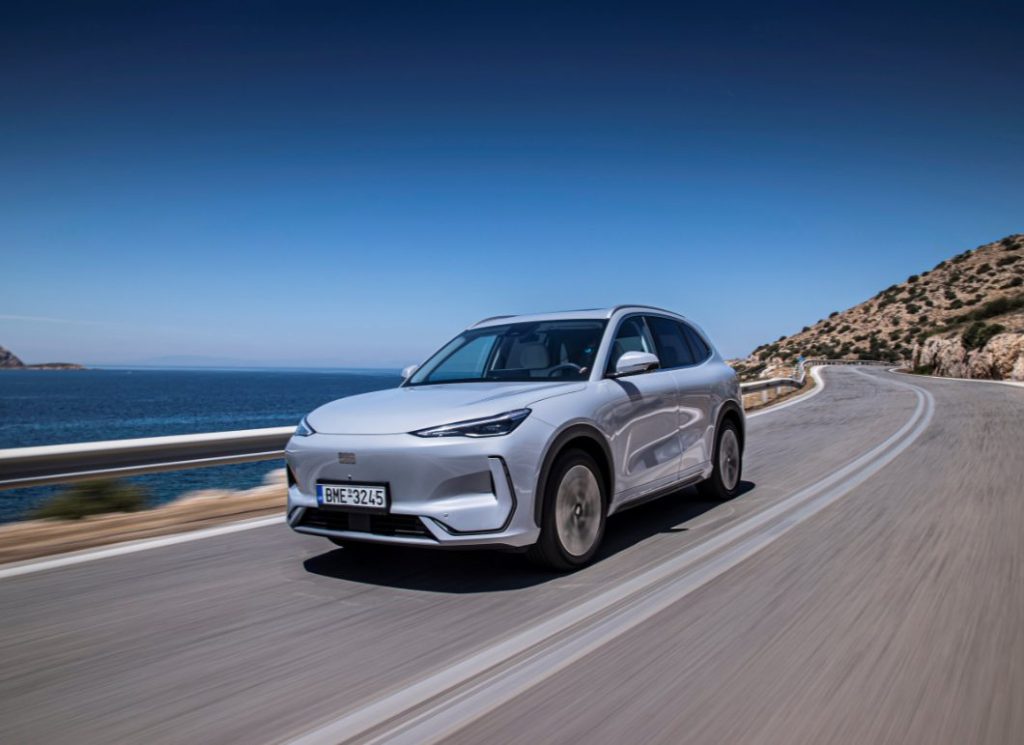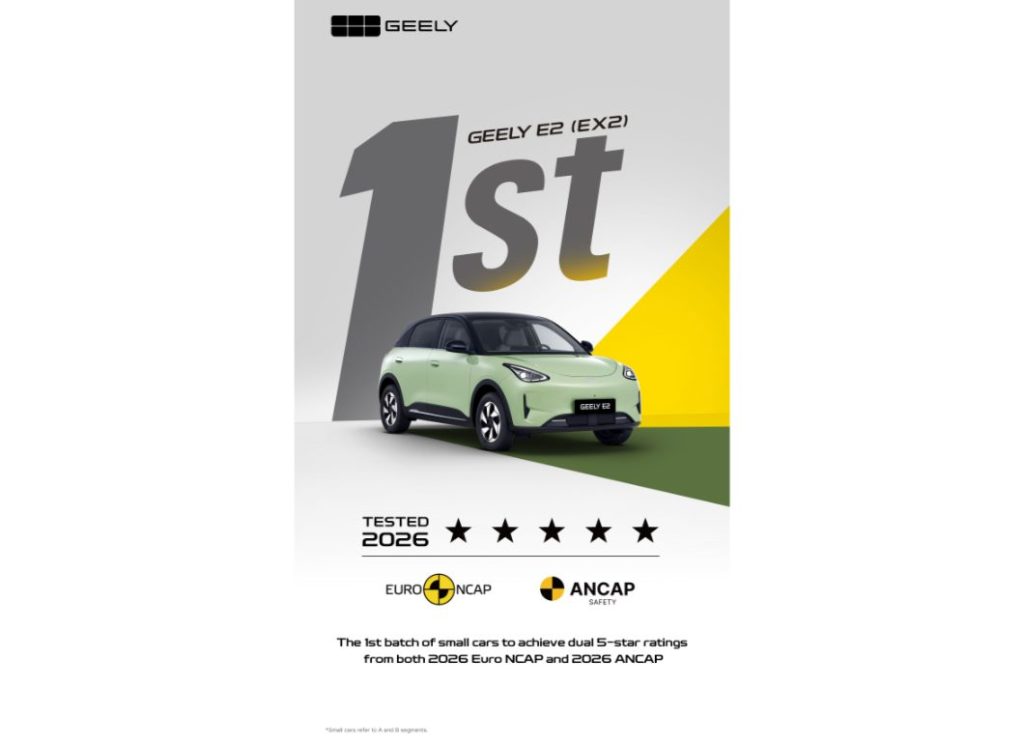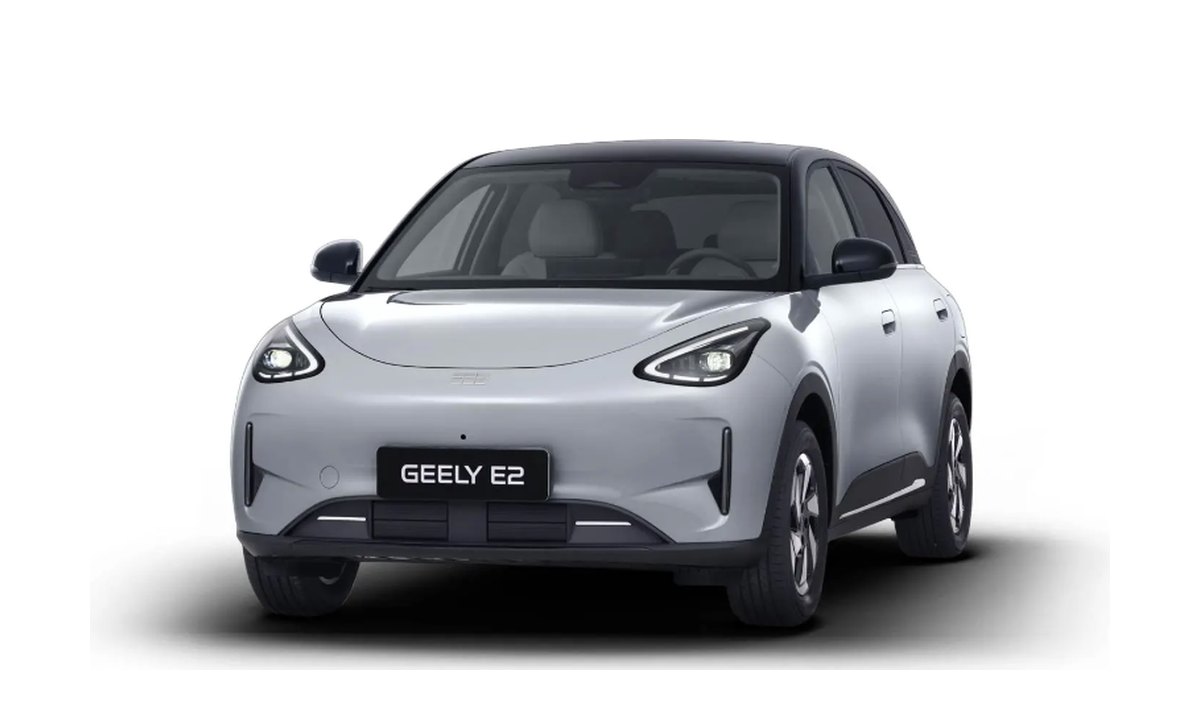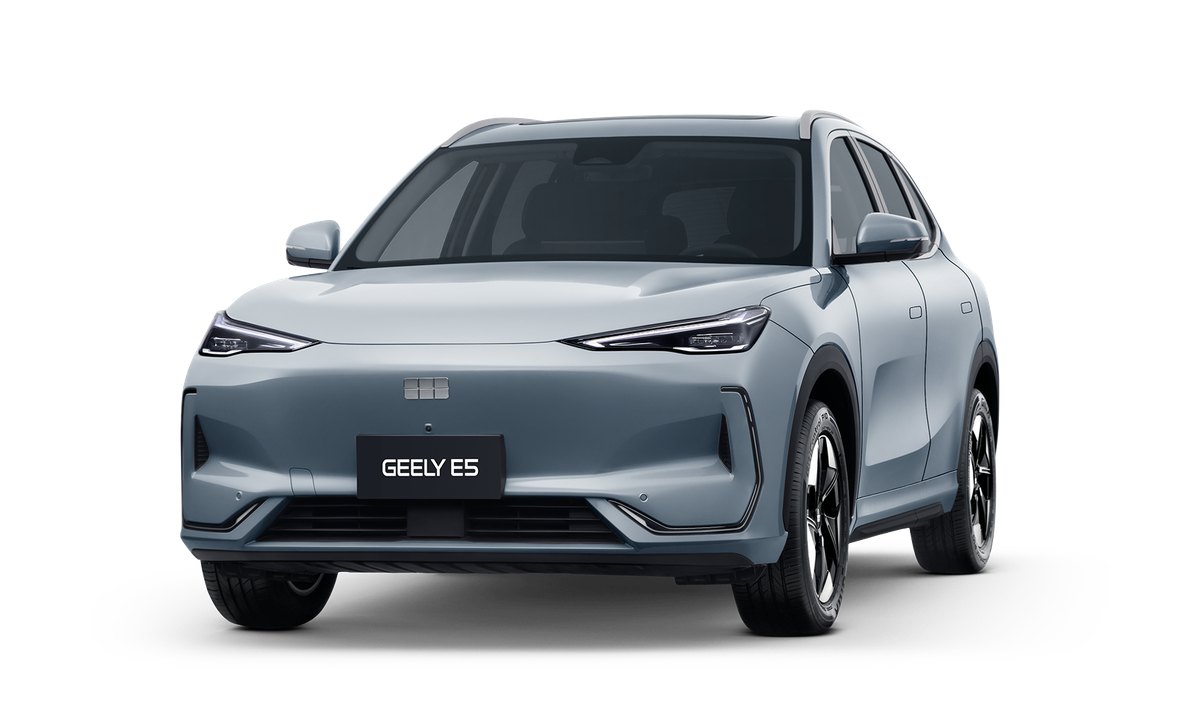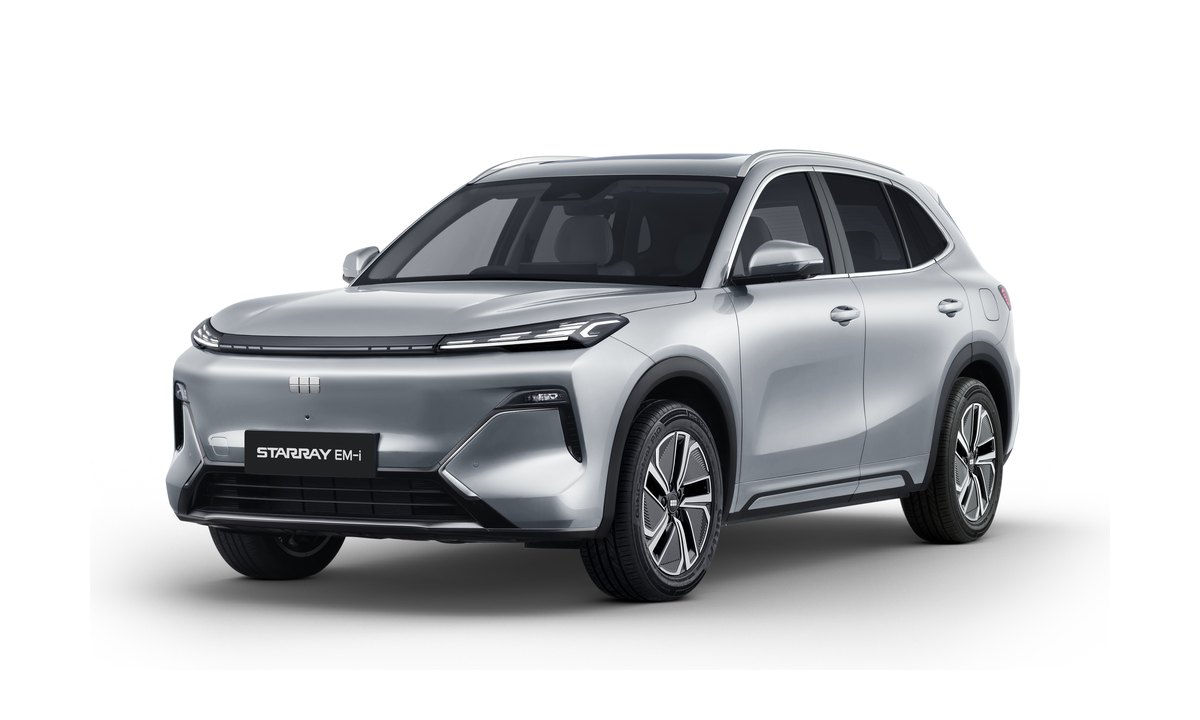

- Geely tops the annual Electromobility Report 2026 from the Center of Automotive Management (CAM) as the most innovative company in electromobility.
- The report finds a strong correlation between innovation and sales: the higher the share of innovation in a manufacturer’s electric models, the greater the positive impact on its EV sales.
- The six leading manufacturers in the Electromobility Report 2026 are also the six best-selling EV manufacturers for the whole of 2025 and for the first quarter of 2026.
The Electromobility Report 2026, the annual electromobility study produced by the Center of Automotive Management (CAM), has been published. CAM is a well-known independent scientific institute that researches the automotive and mobility sectors under real-world conditions, and operates within the University of Applied Sciences for Economics and Management (FHDW) in Bergisch Gladbach, Germany. This year’s edition, the 22nd in the series, assesses manufacturers worldwide on their 2025 performance in electromobility innovation.
For the first time, Geely Group took first place in the ranking with a total score of 209 points, climbing one position compared with the previous year and finishing ahead of the Volkswagen Group (200 points, down to second) and BYD (171 points). The top ten is completed by SAIC Group, BMW, Tesla, Mercedes-Benz, Hyundai, Renault and General Motors.
Geely stood out not only for the breadth of innovation applied across an enormous range of models from all of its brands, including Zeekr, but also for class-leading technical specifications: from record charging power figures of 450 kW to the ability to charge from 10 to 80% in just 10.5 minutes.
The findings of the Electromobility Report 2026 are based on an assessment of market trends and innovations across 35 global manufacturers of battery-electric vehicles (BEVs). In total, 874 series-production electromobility innovations were recorded and evaluated between 2020 and 2025. In 2025 alone, 162 innovations were identified and assessed, with manufacturer groups scoring points in the categories of range, charging performance, energy consumption and EV ecosystem.
How the ranking is calculated
In a simplified view of a highly complex methodology, manufacturers collect points according to:
- The level of the innovation – from low, for innovations that few customers will notice or experience as a meaningful improvement, through to very high, for an innovation that radically changes the way all drivers use the car.
- The benefit delivered to the customer in areas such as performance, flexibility, environmental footprint, comfort, safety and energy efficiency – weighted on a rising scale from the lowest (performance) to the highest (energy efficiency).
- Originality – carrying particularly high weighting for a genuinely first-of-its-kind innovation, and lower weighting for an existing innovation that a manufacturer is simply adopting for the first time.
- Maturity – rewarding innovations already in production (maximum score), in pre-production (medium score) or merely demonstrated on a concept car (lowest score).
The assessment of electromobility innovation focuses on the triad of range, energy consumption and charging power – parameters considered decisive both for vehicle performance and for customer choice. Series-production innovations are defined as those available to end customers in at least one relevant global passenger car market, in particular Europe, the USA, China or Japan.
New EV registrations in 2026 – a strong correlation with innovation
A high level of innovation in battery-electric vehicles generally has a positive effect on sales. Innovations that customers experience directly – range, charging power and charging time among them – are, alongside price, a key purchase driver, particularly in the early stages of an innovation. It is no coincidence that the six manufacturers at the top of the innovation ranking are also the six leading EV manufacturers by sales volume, both for the whole of 2025 and for the first quarter of 2026.